
Why Gen Z Killed Skinny Jeans

The Side Part Heard 'Round the World
Comfort Was Never Optional
Then came the pandemic. Locked indoors for months, an entire generation grew up wearing sweatpants and oversized hoodies. When the world reopened, going back to constricting denim felt absurd. Why would anyone willingly squeeze themselves into pants that cut off circulation when wide-leg trousers existed?
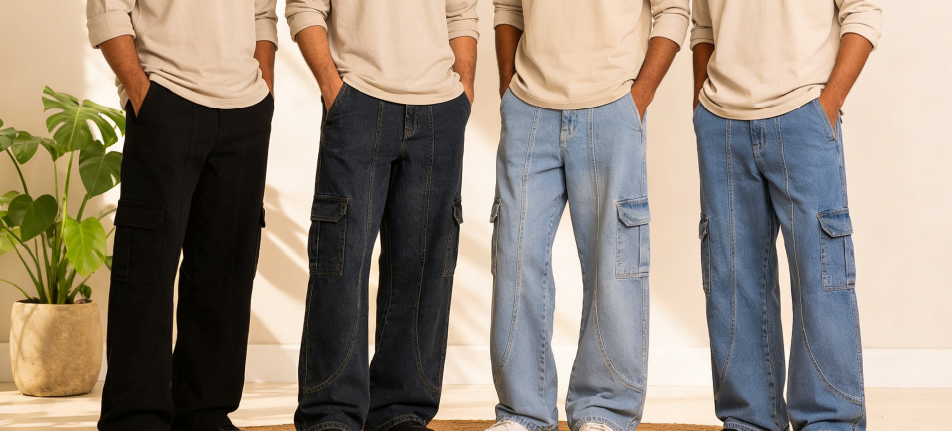
Gen Z had discovered something millennials forgot: clothes are supposed to feel good. Baggy jeans, cargo pants, and parachute trousers offered range of motion, breathability, and the freedom to actually sit down without performing surgery on your waistband.
The Y2K Revival Did the Rest
Fashion runs on twenty-year cycles, and right on schedule, the early 2000s came roaring back. Low-rise waists, JNCO-inspired silhouettes, and skater-wide leg openings became the new standard. Brands like Eckhaus Latta, Maison Margiela, and even mainstream retailers like Urban Outfitters and PacSun pivoted hard toward looser fits.
Celebrities followed. Bella Hadid swapped her skinnies for slouchy carpenter pants. Timothée Chalamet wore so much wide-leg tailoring that GQ practically built a shrine to him. The aesthetic shifted from "snatched" to "swallowed by fabric," and somehow that became hotter.
It's Bigger Than Pants
What Gen Z really killed wasn't skinny jeans. It was the idea that fashion has to be flattering, restrictive, or designed around the male gaze. Baggy pants are gender-neutral. They hide nothing and reveal nothing. They prioritize the wearer's experience over the observer's.
That's the real shift. Fashion stopped being about looking like the most palatable version of yourself and started being about looking like yourself, period. And as it turns out, yourself probably wants to breathe.
So pour one out for the skinny jean. It had a good run. But the future is wide, slouchy, and unmistakably loose.